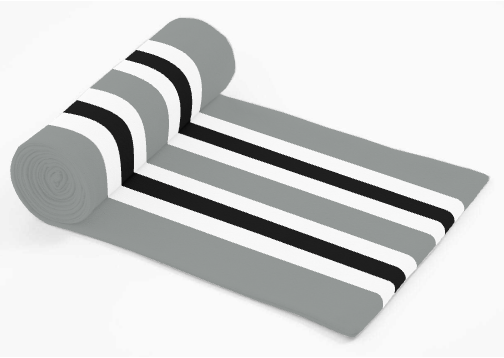
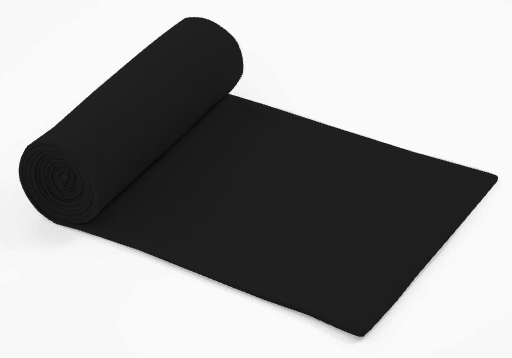
 Image 1 of 6
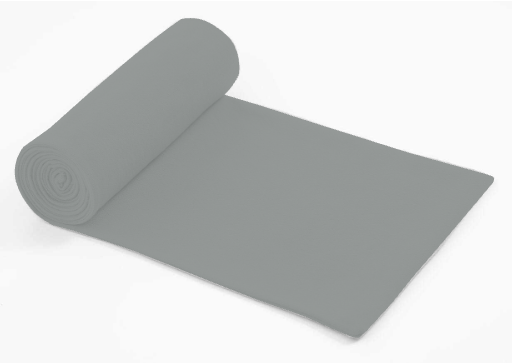 Image 2 of 6
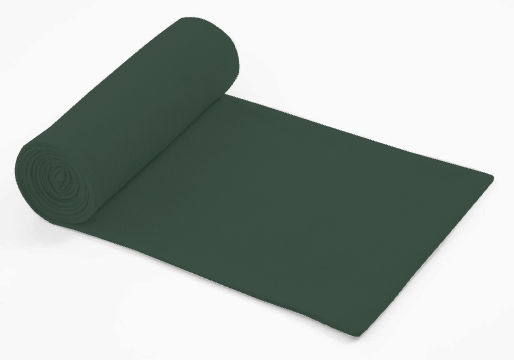 Image 3 of 6
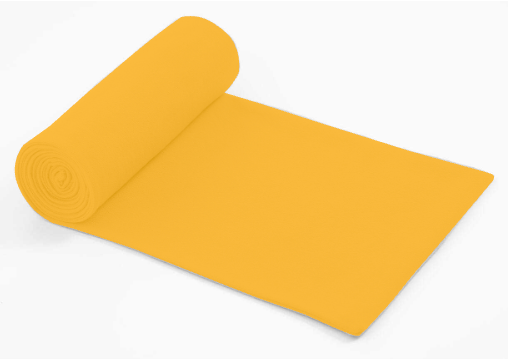 Image 4 of 6
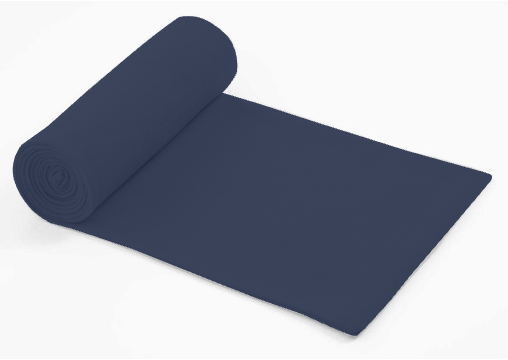 Image 5 of 6
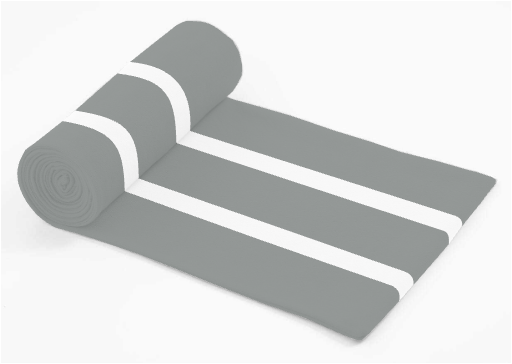 Image 6 of 6
-
100% wool
Made in Cambridge, UK
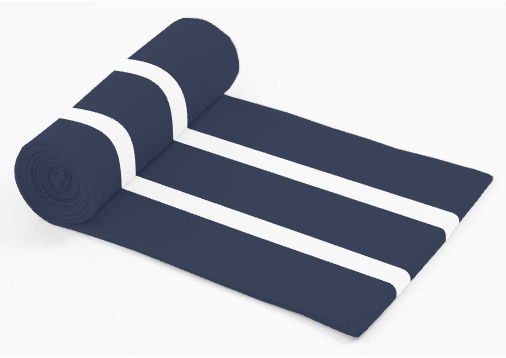
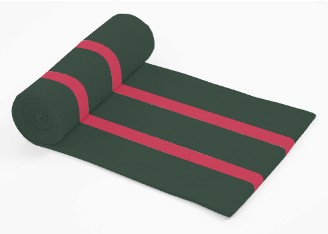
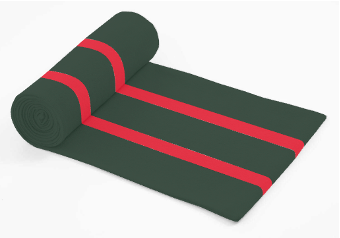
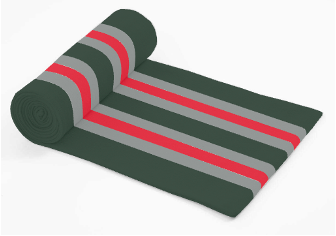
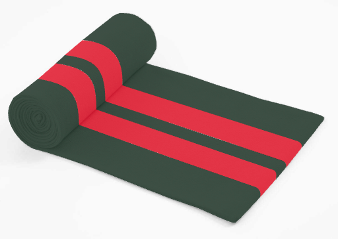
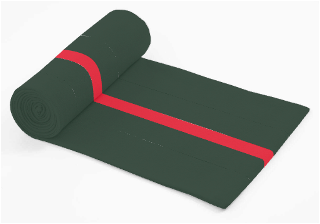
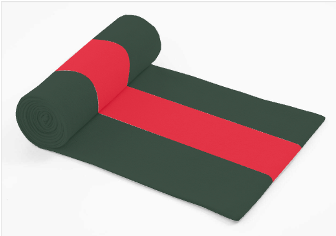
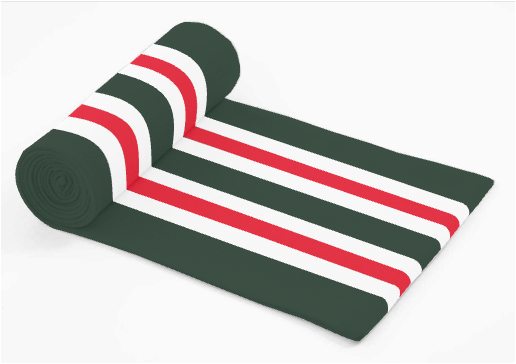
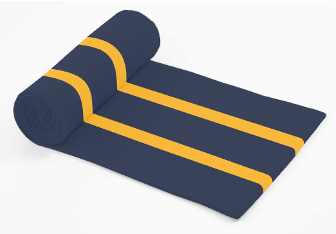
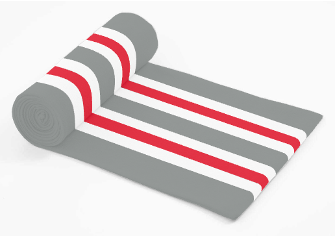
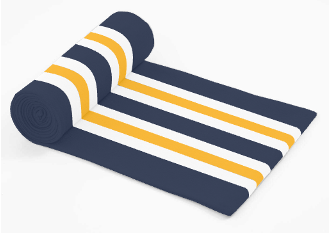
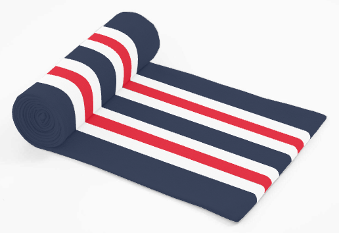
Bold striped design
Dry clean
-
One size
Length 72” (183cm)
Width 10” (25cm)
-
Care instructions: dry cleaning
To keep your scarf in excellent condition, store it flat, untied, and in a dry place.For the best protection of colour, natural fibres, and hand‑finished details, we recommend dry cleaning.
If you prefer to hand‑wash, use a specialist detergent and gently work the scarf in lukewarm water. Lay it flat to dry and avoid wringing or twisting.
The Product Care Guide is here to help you keep your favorite items looking their best for as long as possible. Inside, you’ll find simple, practical tips on how to care for different materials and maintain their quality over time. Click here to discover how to look after your products.
At Red Harper, we create every piece using thoughtfully selected materials and careful craftsmanship. This guide is designed to help you make the most of your items, so they stay beautiful and last for years.
We recommend washing your products only when needed and taking gentle care of them both during and between wears. This not only helps them age well but also keeps them in your wardrobe for many seasons. And whenever you can, consider repairing or reselling your pieces—small actions like these support circularity and help reduce waste.Description text goes here